Four ways to meet Beijing.
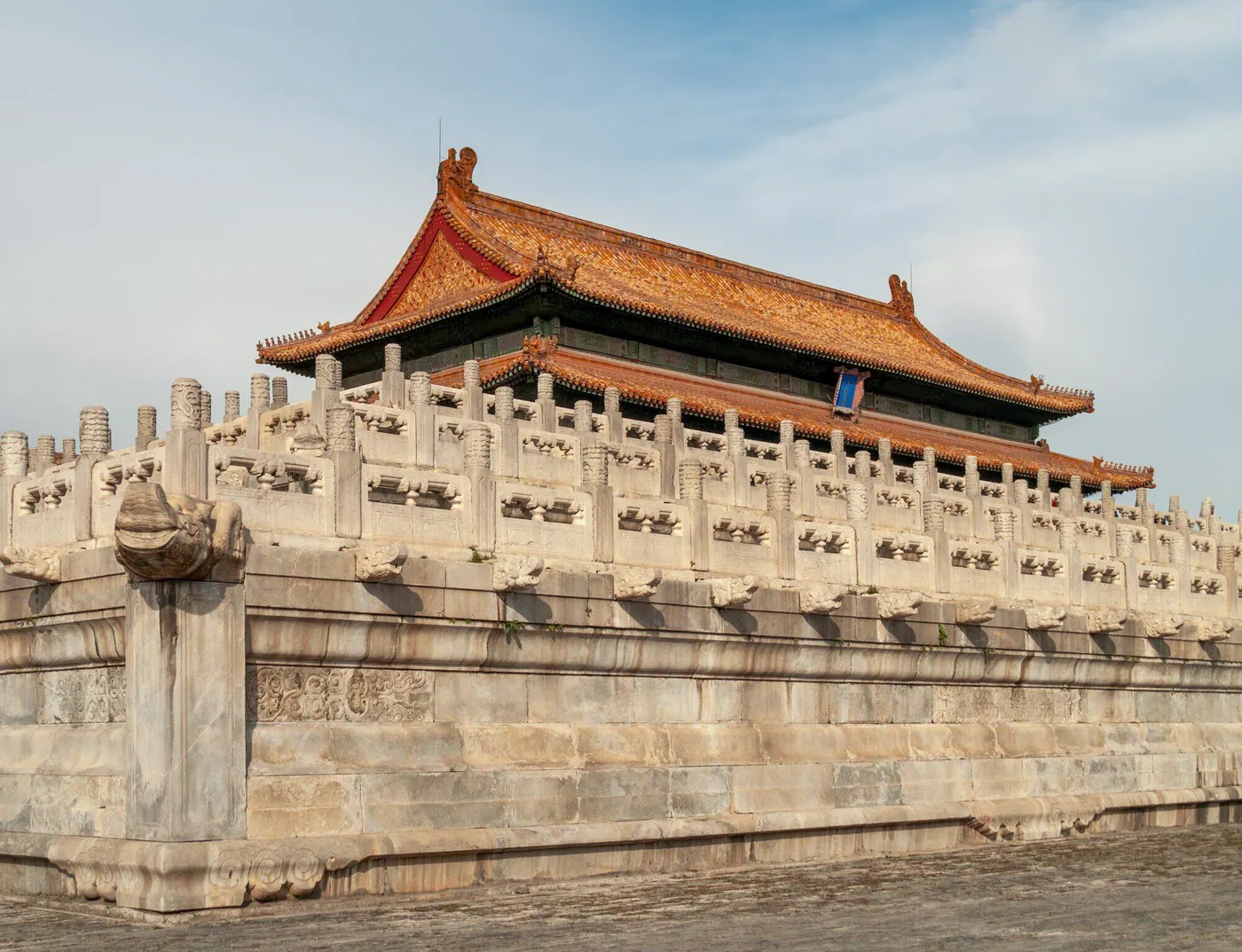
The Forbidden City Before the Crowds
Beijing's Forbidden City changes character entirely in the first hour of light. With a private scholar-guide and early entry, you move down the central axis — the Hall of Supreme Harmony, the emperor's own throne room — before the tour groups arrive, when gilded roofs throw long shadows and the courtyards belong to you. Your guide reads the symbolism in every colour and beast: yellow tiles for the emperor, nine-by-nine door nails, bronze cranes that once measured time. Not sightseeing, but a private audience with the Ming and Qing.
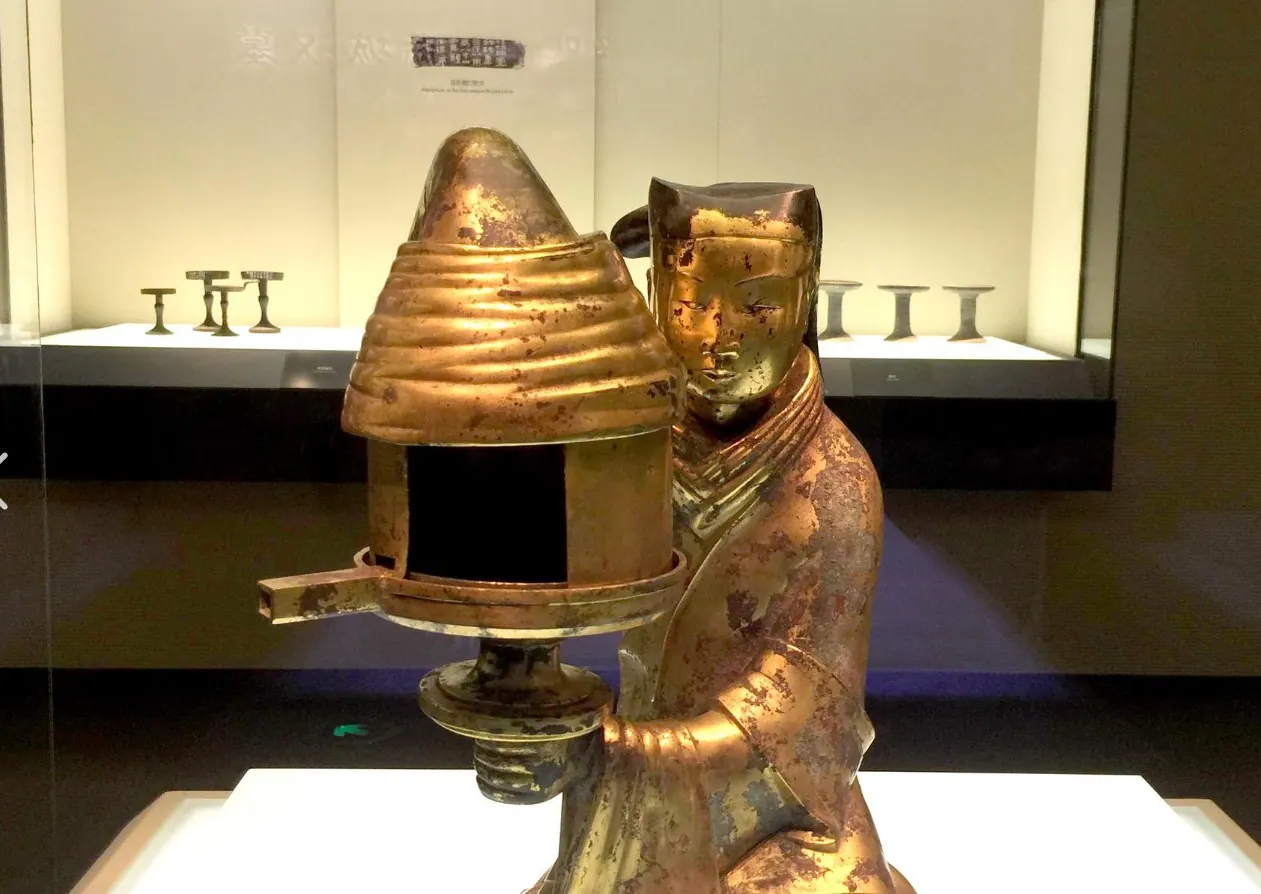
The National Museum of China
The National Museum of China stands in the heart of Beijing, a monumental vessel preserving the millennia-long civilisation of China. Like the British Museum that holds global treasures, it safeguards the most remarkable relics born from Chinese soil, tracing an unbroken thread of history stretching back over 5,000 years.More than a treasure house of antiques, the museum is a living chronicle. It reveals how Chinese civilisation has thrived, absorbed influences and passed down its heritage generation after generation, presenting to visitors the splendour and depth of one of the world’s oldest continuous civilisations.
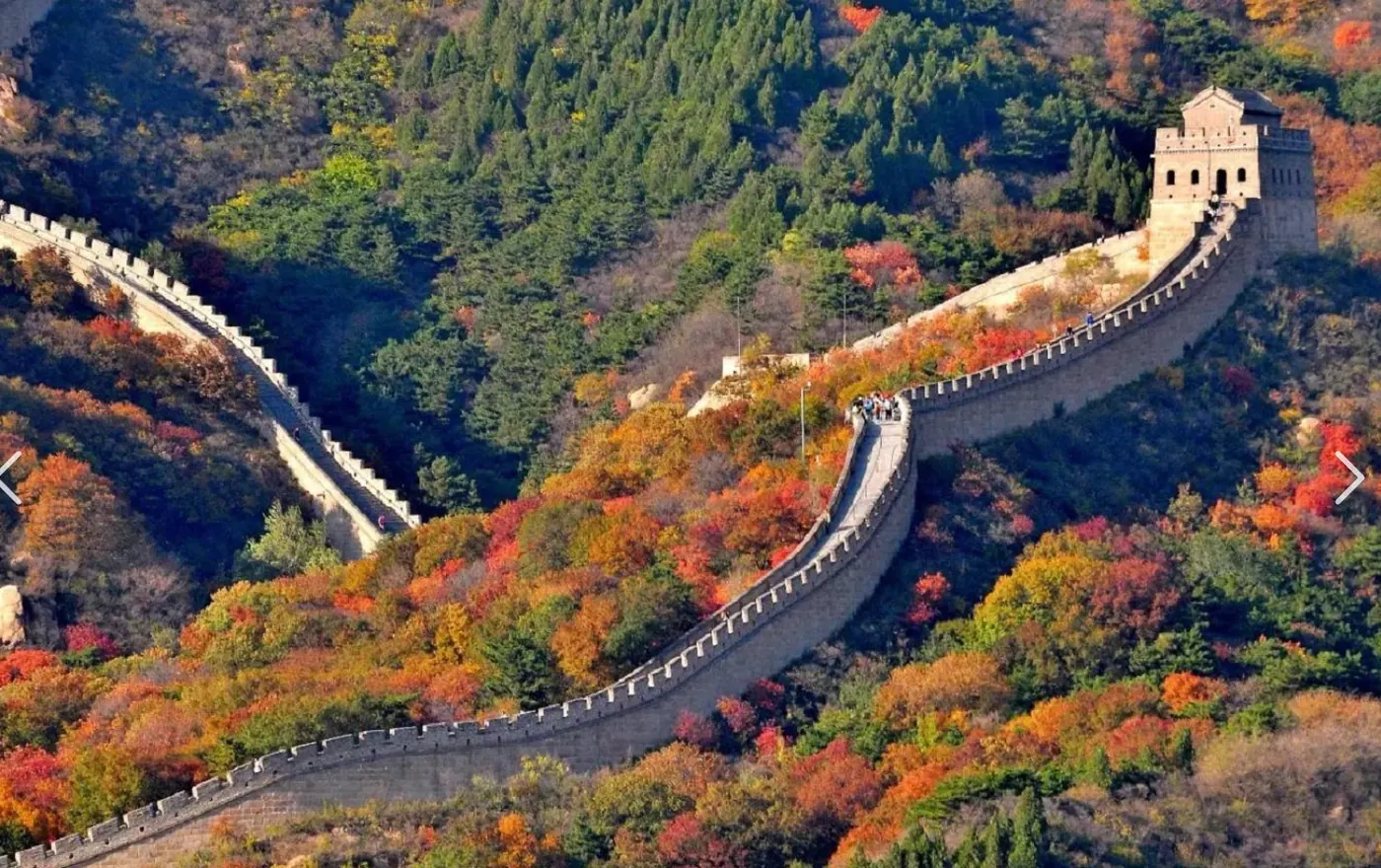
The Great Wall
While crowds file onto restored Badaling, you climb at Jiankou — the 'arrow-notch' — where the Ming wall rides the ridgeline in ruined, crumbling beauty, swallowed by pine and thicket. With a private mountain guide you walk ramparts that have never been rebuilt, photographing watchtowers silhouetted against the sky. It is steep, raw and occasionally breath-catching — and precisely because it is unrestored, you feel history rather than merely look at it. A late-afternoon descent with tea crowns the day.
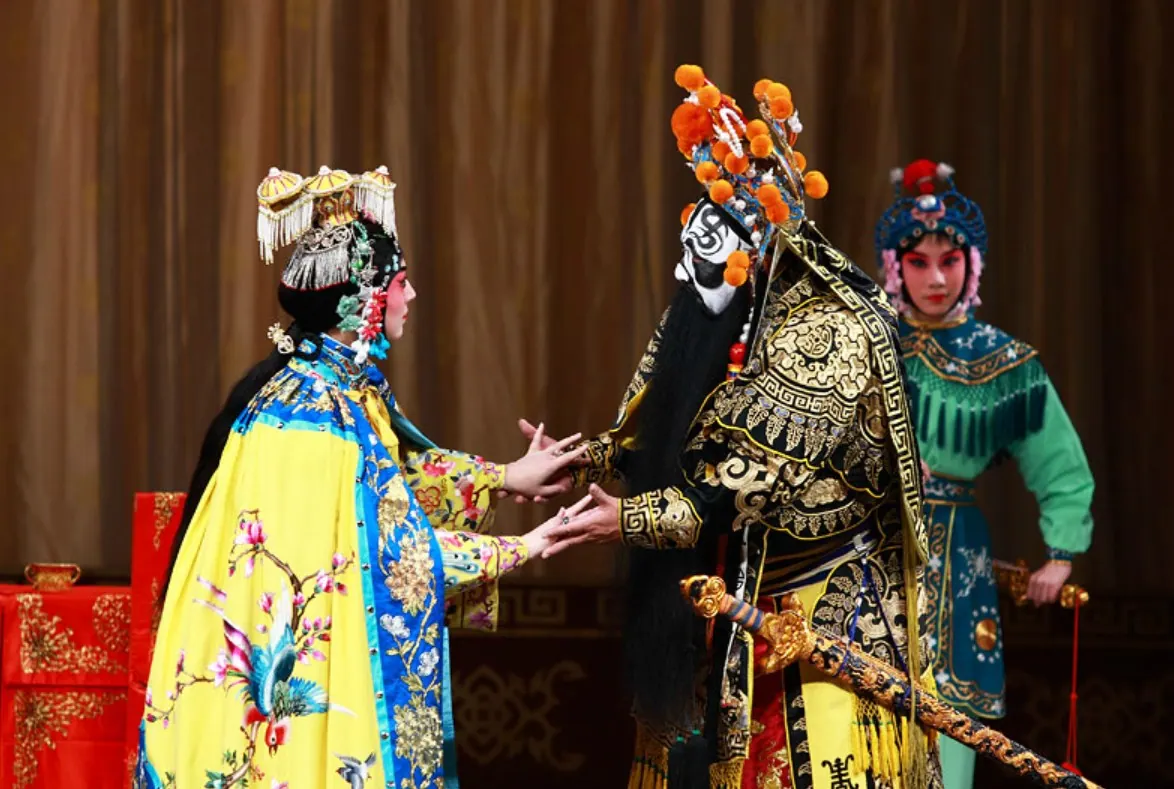
Peking Opera
Peking Opera, hailed as China’s national essence, is one of the most brilliant treasures of Chinese traditional performing‑art, inscribed on the UNESCO Intangible Cultural Heritage List in 2010. With a history of more than 200 years, it absorbed strengths from multiple ancient local operas and matured in Beijing.